10 Essential Maintenance Tips to Protect Your Home This Winter
Essential maintenance tips to protect your home this winter as colder, wetter weather sets in, carrying out routine property maintenance is one of the most effective ways to prevent water from entering your home.
Minor exterior defects—such as slipped roof tiles, blocked gutters, or cracked masonry—can allow rainwater to penetrate a building. Left unchecked, even a small amount of water in the wrong place can lead to damp patches, mould growth, ruined interior finishes, and structural timber decay.
With winters in the South West becoming noticeably wetter—the last decade was 13 per cent wetter than the 1961–1990 average, with very wet months doubling in frequency—preparing your property’s exterior is essential. Here are 10 practical maintenance checks to help keep your home dry and protected this winter:
Inspect Roofs: Check for cracked, slipped, or missing tiles and slates, paying particular attention to older roofs that lack secondary underfelt.
Clear Drives and Paths: Sweep away accumulated leaves and debris so surface water can drain away quickly during heavy downpours rather than pooling near the building.
Check Storage Butts and Water Containers: Inspect water butts for leaks and ensure overflow pipes direct excess water away from external property walls to prevent internal damp.
Clean Gutters and Downpipes: Even a minor blockage can cause rainwater to overflow down walls. Clear out moss, leaves, and debris, and check for leaks or damaged joints.
Maintain Ventilation: Indoor air traps more moisture during winter, increasing the risk of condensation and mould. Ensure extractor fans, trickle vents, and ventilation ducts are clean, unobstructed, and working properly.
Protect External Woodwork: Exposed timber is vulnerable to rot when saturated. Apply a quality wood finish to external joinery to shield it against rain and frost.
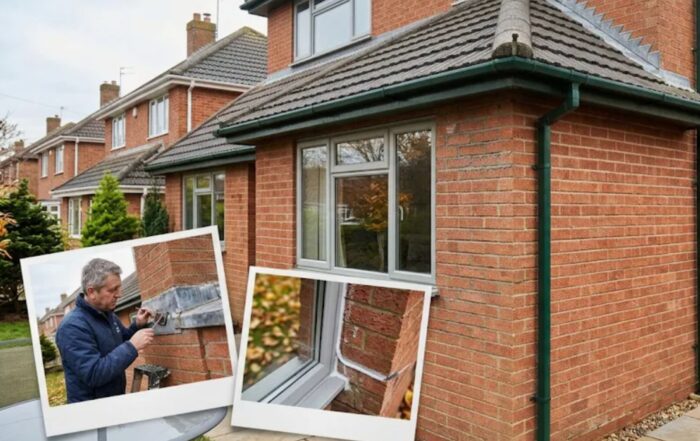
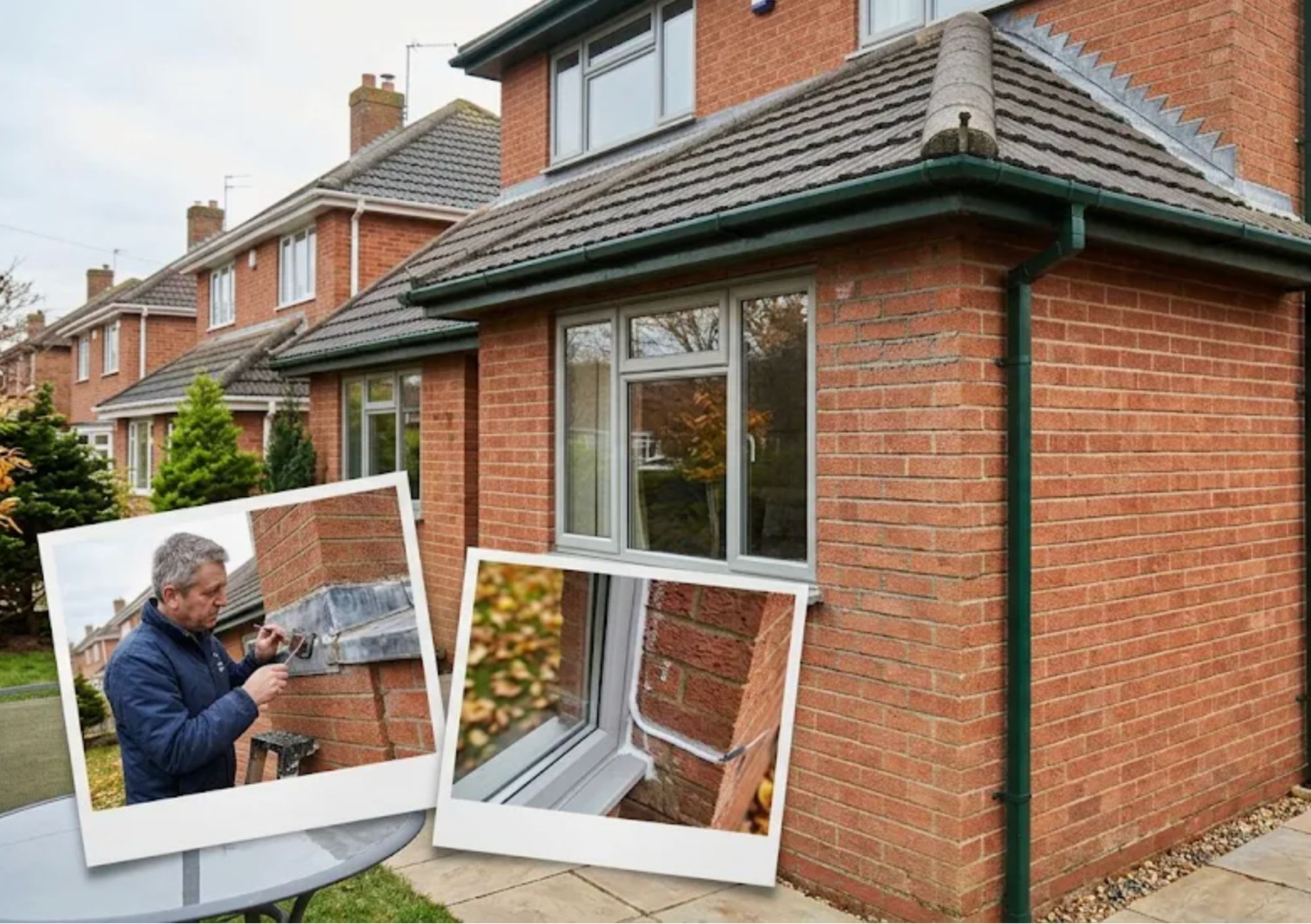
Check Chimney Flashings: Water frequently enters buildings where lead flashings meet the chimney stack. Inspect these joints to ensure they are properly sealed and intact.
Examine Pointing and Rendering: Look for cracks, loose render, and eroded mortar joints that could let driving rain penetrate external walls, focusing closely on the side of the house facing the prevailing weather.
Reseal Window and Doorway Openings: Warm summer weather can dry out and shrink the weather sealing between frames and masonry. Check for gaps and reseal them to block channels for rainwater.
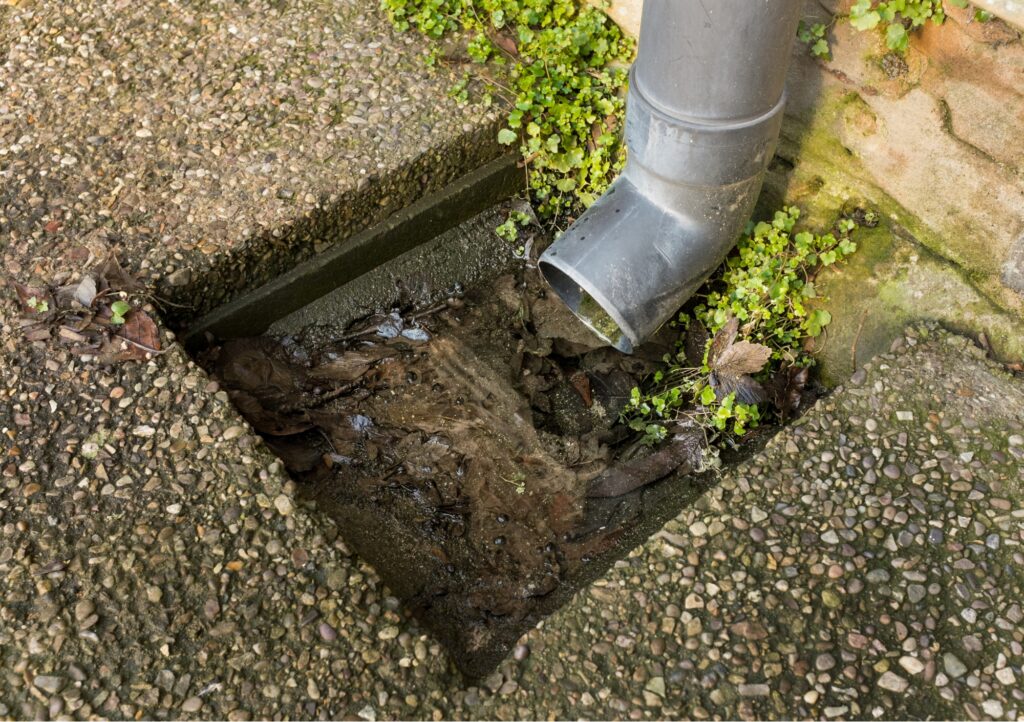
Unblock Drains: Clear leaves, silt, and other debris from ground drains and gullies to prevent localized flooding during heavy winter storms.
When to Seek Help
Regularly inspecting your property and fixing minor issues promptly can save you from expensive repairs later on. However, if you notice persistent damp, recurring mould, or signs of water penetration, avoid simply painting over or treating the visible symptoms. Consulting a qualified damp, timber, or structural waterproofing specialist will ensure the underlying cause is properly diagnosed and resolved.
To check out the latest local arts, culture, and event news across the region, visit Direct Local Bristol.