DVSA Warns Drivers to Prepare Cars for Winter
DVSA safety tips on lights, tyres, windscreens, and essential checks to stay safe on darker, colder days
As the autumn evenings draw in and winter approaches, the Driver and Vehicle Standards Agency (DVSA) is reminding motorists to prepare for darker, colder days on the road. Shorter daylight hours and dropping temperatures bring extra challenges for drivers, from reduced visibility to slippery surfaces. Taking time now to check both your driving habits and your vehicle can make a significant difference to safety.
The DVSA warns that road conditions can change rapidly as frost, rain and ice set in. Visibility is often poorer during twilight hours, when glare from headlights and wet roads can make it harder to spot hazards. Pedestrians and cyclists may also be less visible in low light. Drivers are urged to slow down, increase stopping distances, and ensure they are alert to their surroundings.
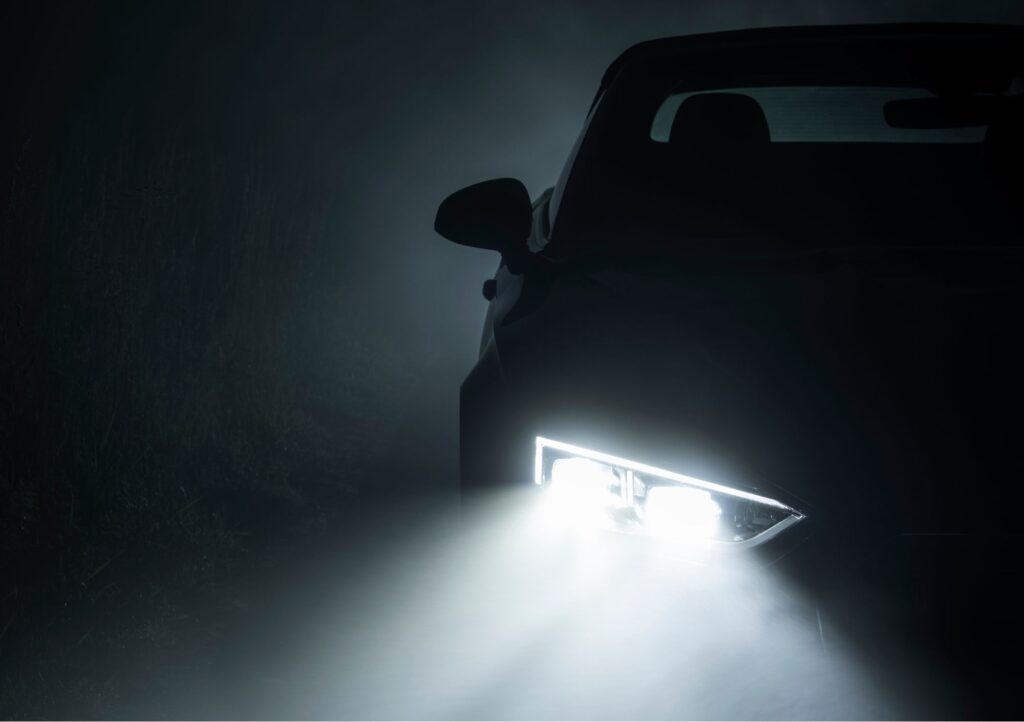
Equally important is preparing your car for the season. Cold weather places extra strain on vehicles, and breakdowns are more common in winter. Ensuring that your lights are fully working and clean is essential for being seen and seeing clearly. Tyres should be checked for tread depth and pressure, as worn or underinflated tyres are far less effective in wet or icy conditions.
A simple but vital tip is to keep your windscreen wash topped up with winter-grade screen wash. Spray from other vehicles, grit, and salt can quickly build up, smearing your windscreen and reducing visibility. Using plain water is not enough, as it can freeze in cold temperatures.
To help drivers stay safe this winter, the DVSA recommends:
-
Check your lights – ensure all are working properly and keep them clean.
-
Inspect your tyres – confirm they have good tread depth and correct pressure.
-
Top up windscreen wash – use winter-grade solution to avoid freezing.
-
Carry essentials – such as an ice scraper, de-icer, and a torch.
-
Allow extra time – so you don’t feel pressured to rush.
-
Drive cautiously – slow down, increase stopping distances, and stay alert.
By preparing both yourself and your car, you’ll be better equipped for the darker, colder days ahead.
Read more Bristol News at https://directlocalbristol.co.uk/bristol-news/