Former military officers reflect on Armistice Day
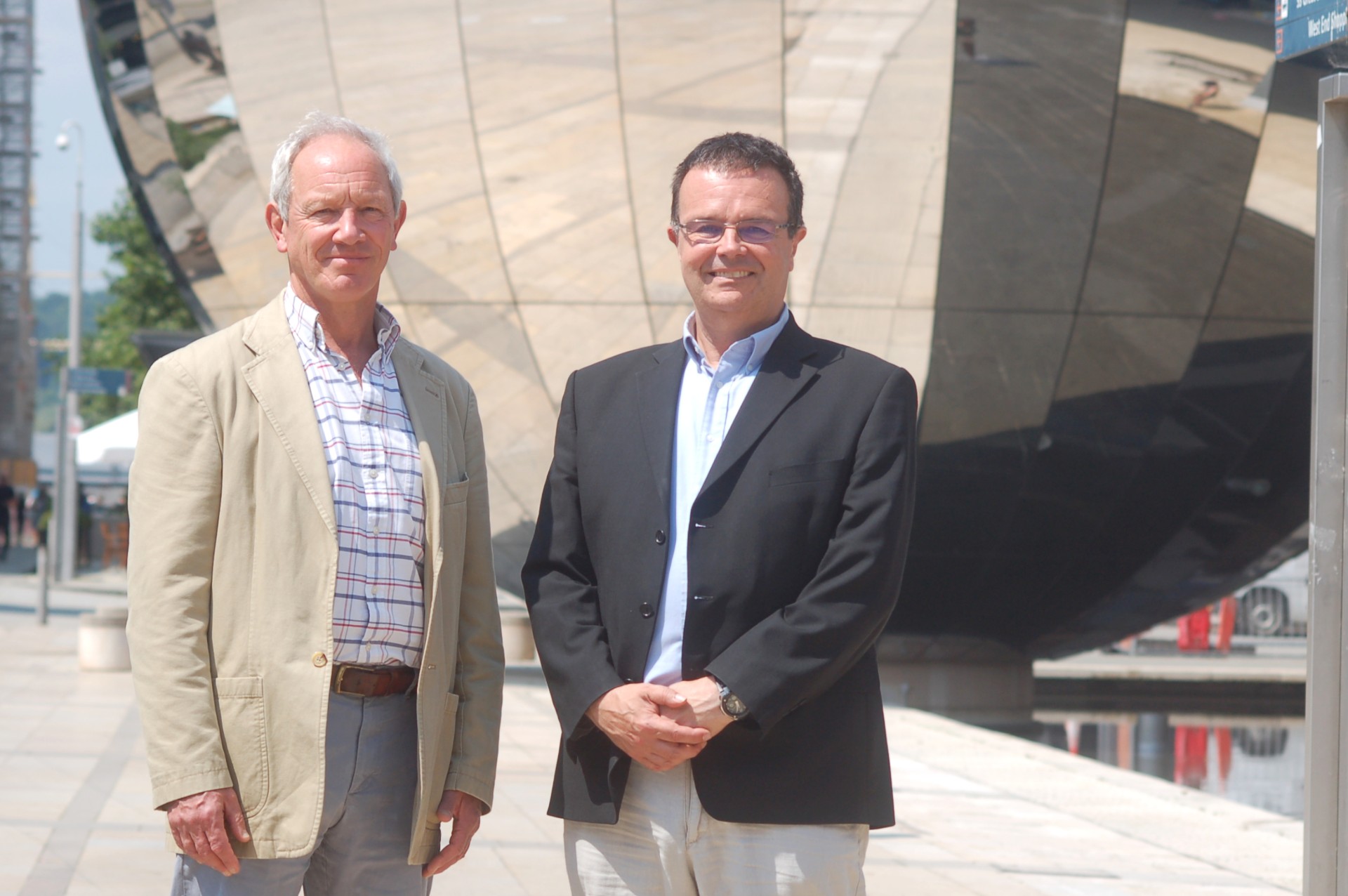
Former military officers Glen Maxwell-Heron and Felix Spender have set up Springboard to the Future (STTF), helping organisations develop a more productive and profitable workplace.
The pair believe Armistice Day is a time to thank past and present military personnel – recognising the sacrifices they have made and continue to make.
Glen, from Bristol, who worked as an engineer officer in the Royal Navy for over 10 years, said: “I think the day is a way to give thanks for the sacrifices that were made to protect our way of life.
“It is also a way to acknowledge the sacrifice of those who have served since. Military personnel spend months away from their families, putting themselves at physical risk.
“It’s thanks for the ongoing efforts, often living in difficult environments and away from loved ones, trying to do something for the greater good.”
The Armistice
Glen, whose brother served in the Royal Navy, working in communications, said he now recognised how hard it must have been for his own family, having one son away at Christmas for several years running.
The Armistice, an agreement to end the fighting of the First World War as a prelude to peace negotiations, began at 11am on 11 November 1918.
It later became known as Remembrance Sunday in the UK and Veterans Day in the United States. The nation falls silent to mark the end of the war and remember those lost in conflict.
Felix, whose father served in the Royal Navy, joined the army at the age of 18 – attracted to the foreign travel and camaraderie.
The former army officer, who has served with NATO in Iraq and Kosovo, said: “I am touched by the tribute to veterans and think it resonates with members of the military and their families.”
Transferable skills
STTF helps organisations develop a more productive and profitable workplace – potentially saving organisations hundreds and thousands of pounds.
Glen, who has worked for financial services businesses delivering multi-million pound IT projects, said they have helped organisations improve productivity and retention by at least 10 per cent.
He believes former military personnel have many transferable skills which are beneficial to business, particularly around problem-solving, risk management and reacting under pressure.
Glen, a former University of Cambridge student, said: “There are very few scenarios in other organisations that can replicate the pressure of decision making when lives or liberty are at stake.”
Felix, who secured the release of more than 100 hostages captured by Somalian pirates and ran a conflict management firm, added: “Ex military are used to conflict resolution and negotiation in emotionally charged situations.”
They believe ex military personnel are experienced in problem-solving with limited resources and had to be decisive – skills which are beneficial to any organisation.
Dealing with risk
The duo highlighted how risk assessment management was needed during most military activities and this supported business activities, particularly during uncertain times.
Glen, who spent four years in Japan working for multinational companies and learned about their emphasis of advanced planning, said it was vital to prepare for a possible crisis.
He said: “It pays to recognise risks and respond to them quickly. Failure to do so can cost money and disrupt business.
“Disaster planning, such as in the case of earthquakes or incidents onboard a warship, can even save lives.
“It’s a common misconception that military life is about yelling orders. The team has to believe in the cause and what can be achieved – then they will sail in the same direction.”
Read more of our news from Bristol and beyond at Bristol News https://directlocalbristol.co.uk/bristol-news/