Bristol pest experts share real-life species fit for Halloween
Pest experts share real-life species fit for Halloween
Experts at British Pest Control Association (BPCA) are sharing real-life ‘Halloween pests’ as the UK gears up for spooky season.
BPCA is a national trade body representing pest professionals across the UK who protect homes and businesses from pests that can pose a risk to public health.
From blood-sucking bugs to roaming rodents and creepy crawlies, the UK has a number of pests that could fit into any spooky story this Halloween.
Natalie Bungay, BPCA Technical Manager said: “Late autumn tends to be a time of seasonal change, as callouts for warm weather pests fall and reports of winter pest activity start to increase.
“This means that, depending on the weather, at Halloween we can see a mix of pest callouts for everything from bed bugs, wasps and flies to rats, mice and cockroaches.
“Anyone who suspects pest activity in their home or business should immediately contact a pest professional such as a BPCA member.”
Blood-sucking bugs
Bed bugs – These ancient parasites can be a very real nightmare. They have been drinking blood since dinosaurs roamed the earth and will travel into properties hidden on clothes, luggage and even second-hand furniture. Bed bugs will hide in secret nooks and crannies during the day, then creep out at night to feed on you while you sleep. They are notoriously difficult to treat and DIY pest control is rarely effective.
Roaming rodents
Rats – out in the wild, rats are unlikely to pose a risk, but inside homes and businesses they can spread bacteria and disease through their urine, feet and fur. They need to gnaw – and can chew through cables, pipes, brick and stone, with electrical fires and flooding attributed to rat activity. Flooding and winter weather will often prompt rats to find food and warmth indoors.

Mice – One of the most common pest species in the UK, mice tend to be a problem year-round. They have been known to spread nasty diseases such as Salmonella and Listeria through their urine, droppings and bedding, and will mark their territory with urine. Mice build nests near food sources, putting anyone with an infestation at risk of food poisoning. They are nocturnal and can often be heard running about in the night as they search for food.
Creepy Crawlies
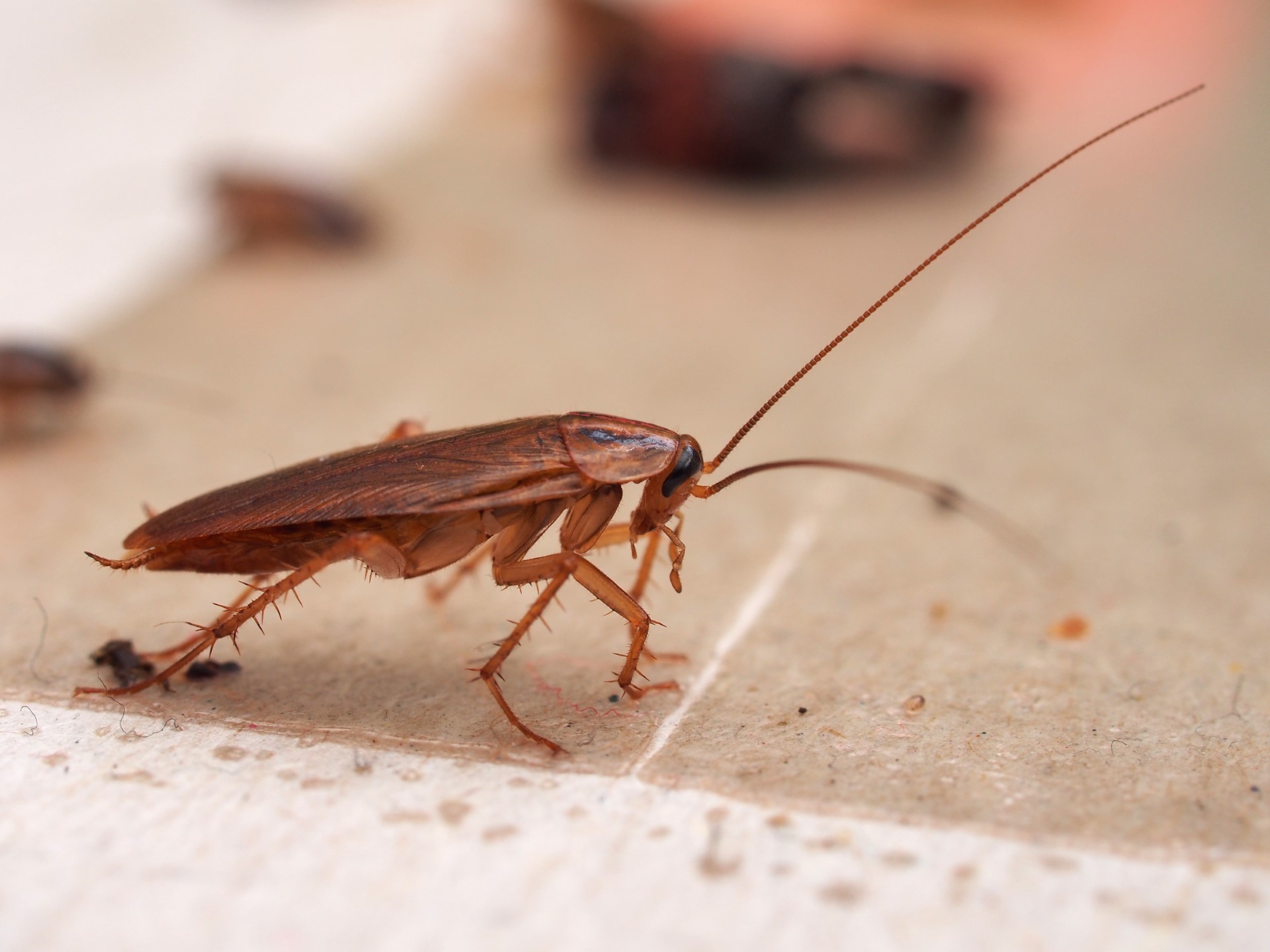
Cockroaches – As known vectors of disease, cockroaches pose a direct health risk to people. They carry organisms which cause food poisoning as well as other bacteria. They move from sewers and drains into buildings, contaminating anything they come into contact with and will disgorge partially digested food at intervals, as well as dropping faeces along the way. Cockroaches can live for at least a week without their heads and can run 1.5 metres per second – the equivalent of a human running at around 200 miles per hour.
Spiders – UK spiders are not considered dangerous or harmful but tend to be more conspicuous during their breeding season in September and October. One spider species, has a Halloween-worthy name. The False Black Widow is non-aggressive and will not launch an unprovoked attack on people, but it can give a painful bite if forced to defend itself.
Natalie added: “A lot of pest activity is seasonal, such as rats looking for shelter inside from winter weather, while other issues can be year-round as pests have adapted to survive and thrive in human environments.
“We always recommend seeking help from a professional, and strongly warn anyone considering a DIY method that it is essential that they read and follow instructions with great care to avoid harm to people, pets, wildlife and property.
“Pest professionals such as BPCA members have the technical knowledge and experience to apply suitable products in an efficient manner while minimising risk to the environment and non-target species.”
BPCA members:
- Carry the correct insurances
- Are trained and qualified technicians
- Are assessed to the British Standard in pest management EN 16636
- Follow BPCA’s Codes of Best Practice.
To find a BPCA member visit: bpca.org.uk/find.
Read more spooky stories at Bristol News