
How to Prepare Your Home for the Coming Cold Weather Bristol | Stay Warm and Cozy
How to Prepare Your Home for the Coming Cold Weather Bristol
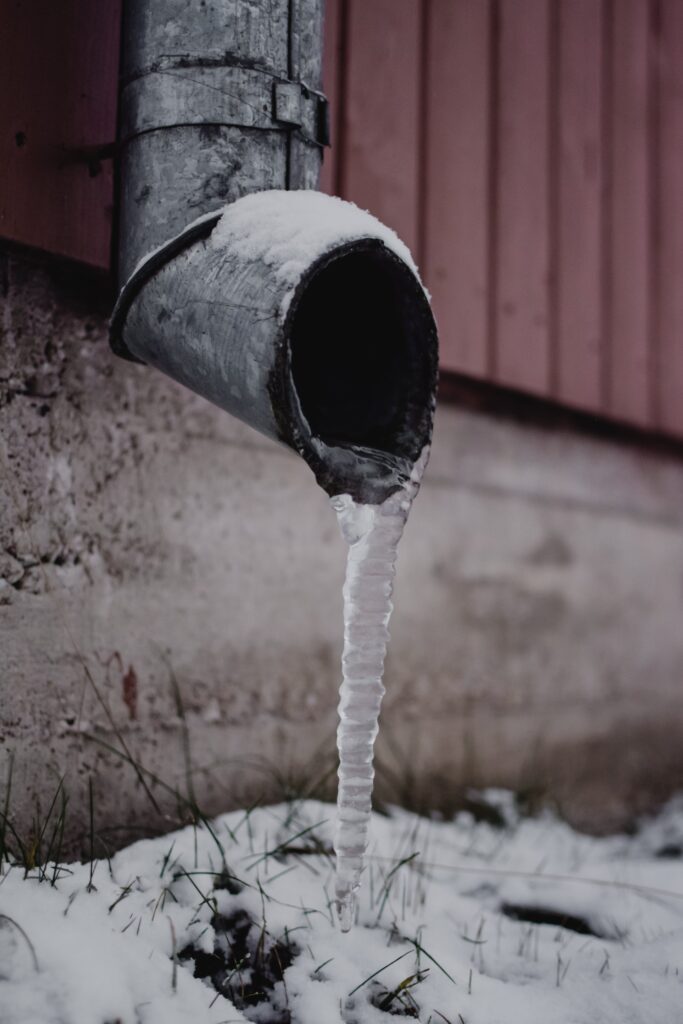
In this upcoming week, we can expect frigid temperatures in Bristol and the South West that can pose new challenges for homeowners. One common plumbing issue during this time of year is frozen pipes.
When water freezes inside your pipes, it can cause them to burst, resulting in costly repairs and water damage. In severe cases, it may even lead to flooding, necessitating emergency plumbing services, even in the middle of the night!
Fortunately, there are preventive measures you can take to safeguard your pipes from freezing in the approaching cold weather. Here are some tips:
Insulate Your Pipes
Properly insulating your pipes is one of the most effective ways to ensure they won’t freeze this winter. You should insulate both exposed pipes outside your home and those within your home. Focus on insulating indoor areas that tend to remain unheated for extended periods, such as lofts or basements.
There’s a range of insulation materials available for pipes. These options include foam sleeves, fiberglass wrap, and heat tape.
By adequately insulating your pipes, you’ll be able to maintain a consistent temperature and prevent them from getting too cold and vulnerable to freezing.
Seal crack and gaps in your home
Ensuring that your home is free from gaps or cracks in the walls, floors, and foundation is crucial for protecting your pipes and maintaining a warm environment. Additionally, it can contribute to significant savings on heating usage and bills. Therefore, it is of utmost importance to prioritize this task.
It may come as a surprise how much of an impact these openings can have. They allow cold air and drafts to infiltrate your home while also enabling the escape of heated air through those cracks and gaps.
Once you have identified any gaps, promptly seal them using caulking, insulation, or other appropriate materials available at specialized stores. Take particular care in addressing gaps near areas where your pipes are located to safeguard them against freezing.
Let your taps run or drip regularly
It is recommended to allow your taps to drip or run regularly during freezing weather in order to prevent frozen pipes. This is particularly important for external pipes like your hose line. By keeping the water moving, you decrease the likelihood of it freezing. It is also beneficial to slightly open both hot and cold taps to relieve pressure and prevent freezing.

Don’t forget to open cabinet doors
In areas where your pipes are located inside cabinets, such as under sinks in the kitchen or bathroom, it is advised to open those cabinets from time to time. This allows warm air to circulate around the pipes, reducing the chance of freeze-ups.
This practice is especially useful if your kitchen or bathroom tends to become very cold when not in use. Exposing the pipes to warm indoor air will further minimize the risk of freezing.
What to do if you do experience frozen or burst pipes
Signs of a frozen pipe will be similar to the signs of a blocked pipe, so if you notice slow draining, noises, or low water pressure, you could have either problem. Try to reduce your usage until you think you’ve fixed the problem, or else you run the risk of making it worse and leading to a burst pipe. Pouring hot water down your sink may help.
It’s essential to know where your main water shut off valve is, so in case of an emergency, such as flooding, or a burst pipe, you can quickly shut off water and minimise the damage.
You may then need to arrange an appointment with a local plumber as soon as possible or call an emergency plumber out.
Read more loccl stories at in Bristol News