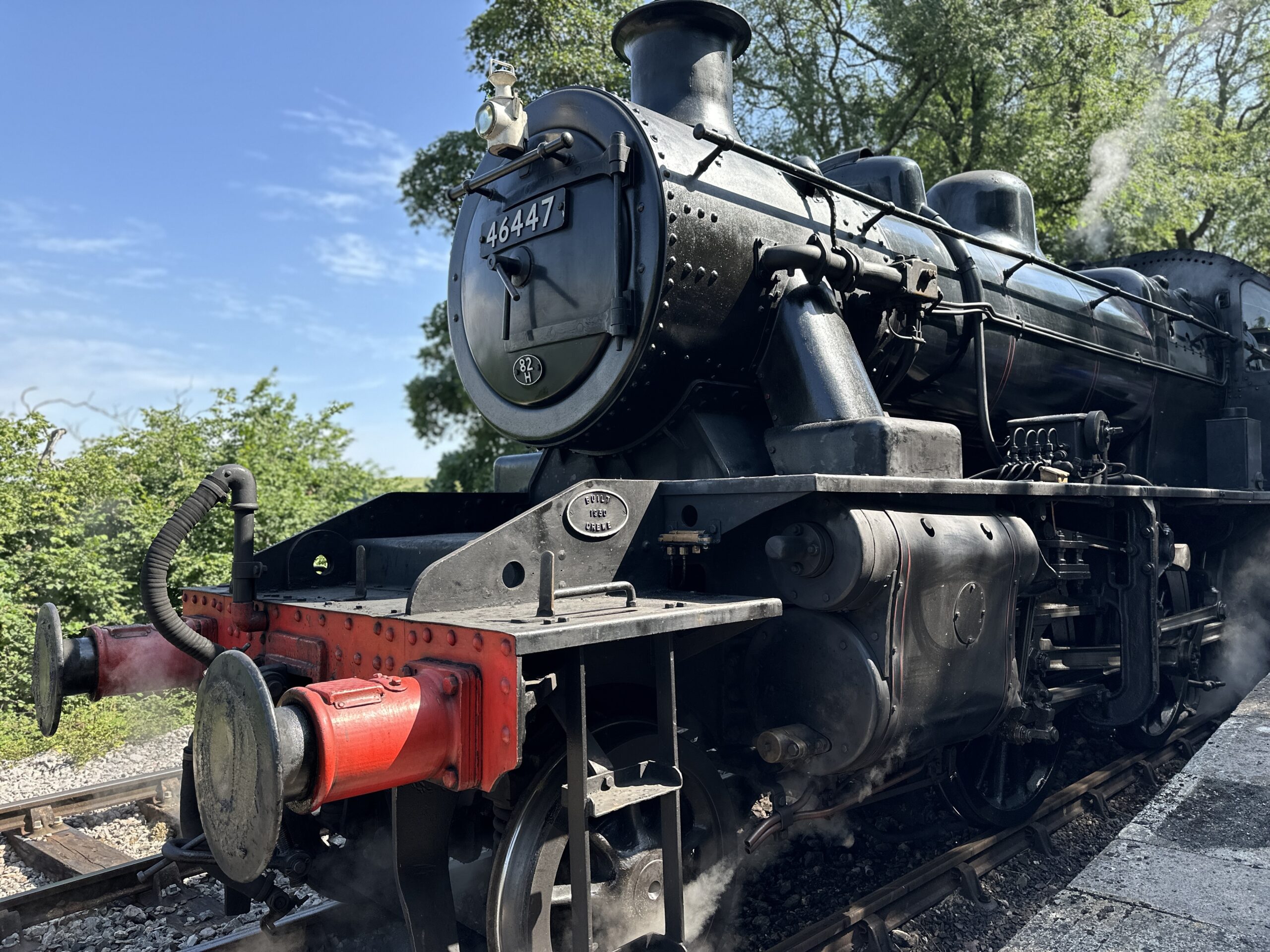
Take a visit the past this summer with East Somerset Railway
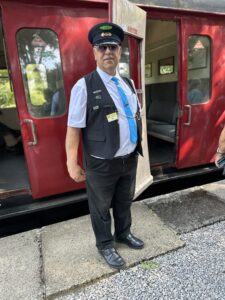
Come check out the charming village of Cranmore, just a stone’s throw from Shepton Mallet, Somerset. You’ll get to meet the awesome staff and enjoy a super chill ride on the heritage trains.
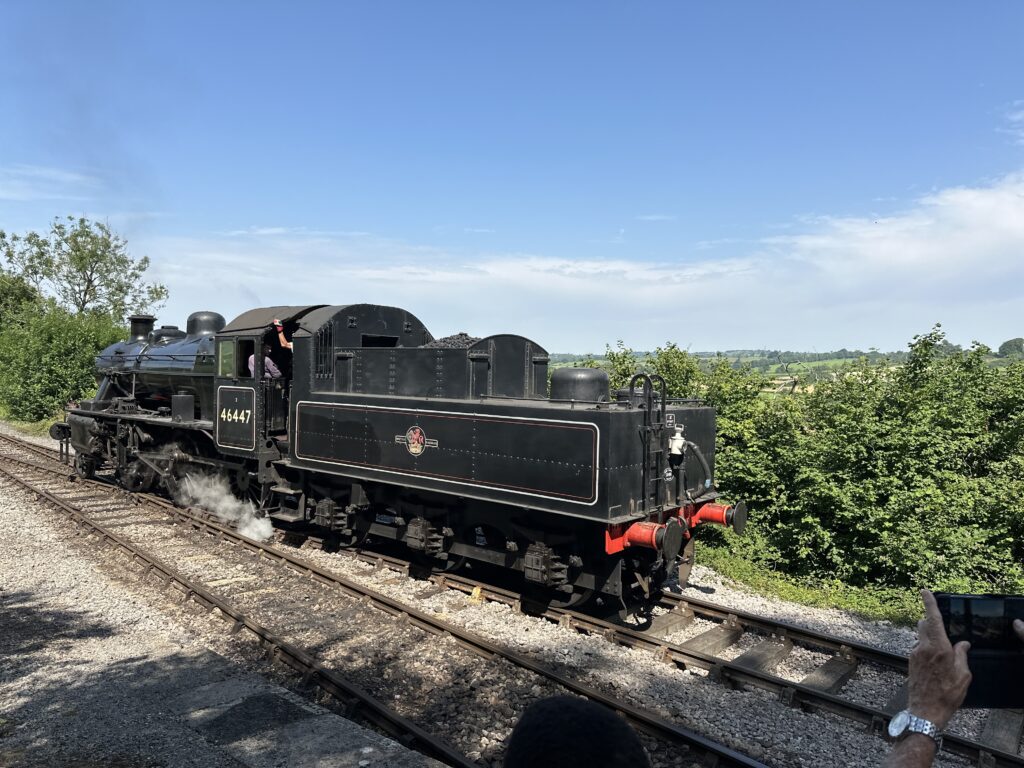
The train trip is about 35 minutes long as you roll along the 5-mile round trip. And the best part? You can hop on and off as many times as you want while you’re here!
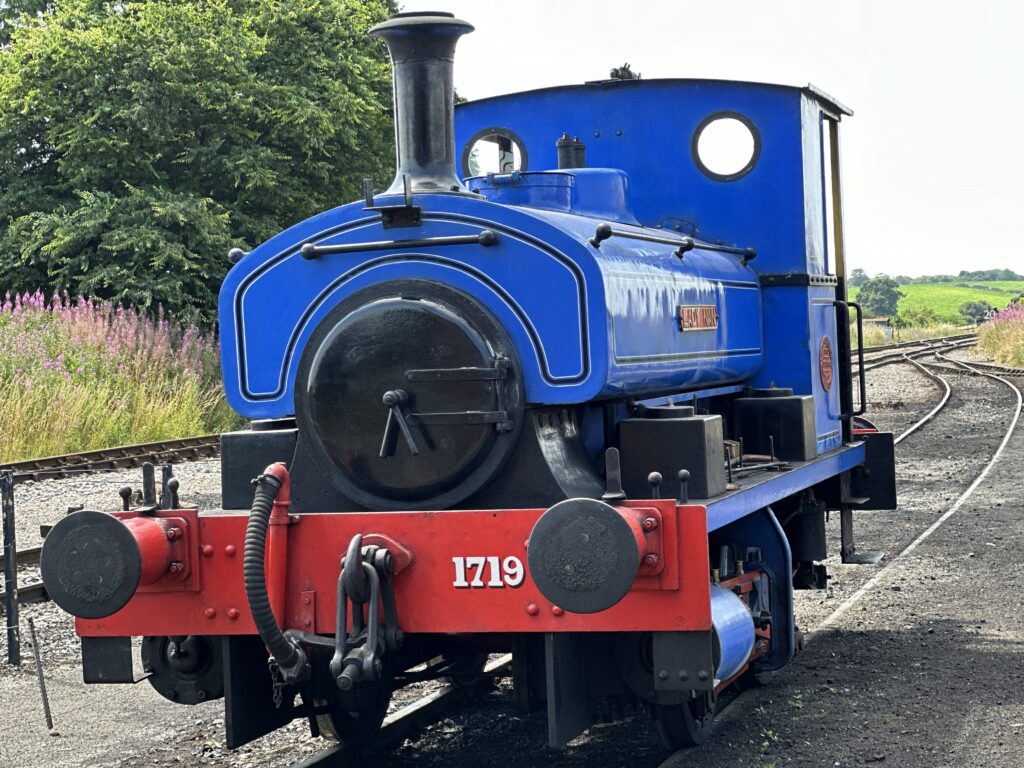
East Somerset Railway is pretty special—it’s one of the few heritage railways where you can actually visit the engine shed and workshop to see all the cool restoration work being done by our talented volunteers.
You’ll find a museum, waiting room, and ticket office if you’re looking for info or just want to hang out. There’s also the David Shepherd Discovery Centre on our revamped second platform that dives into railway history.
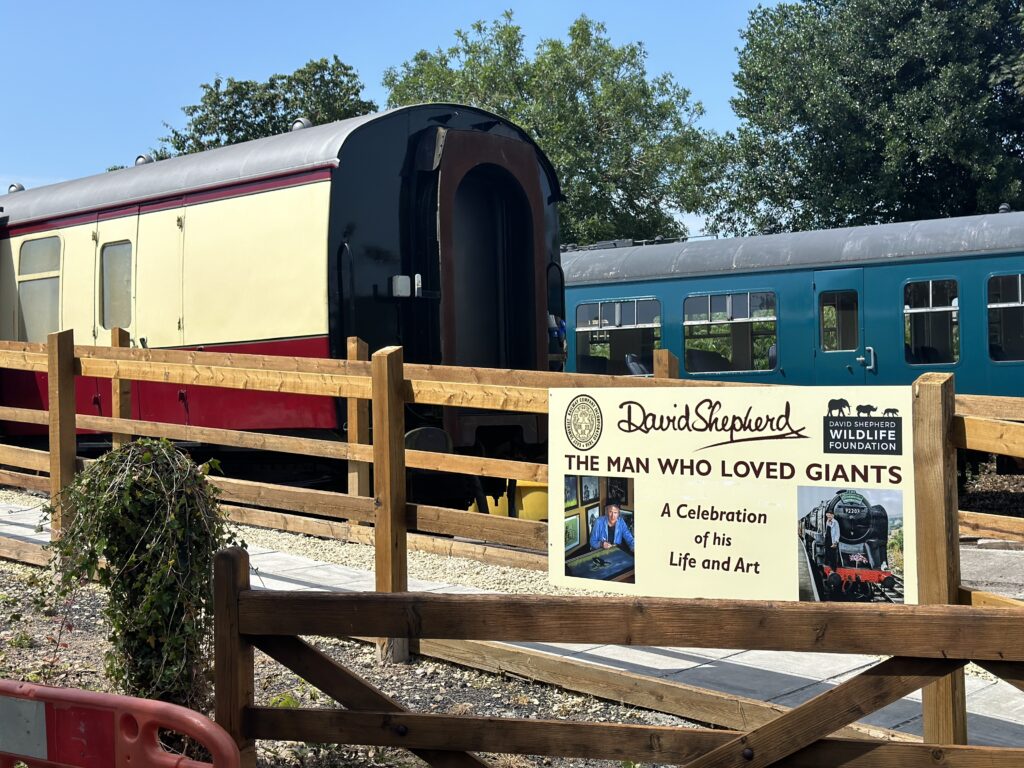
In 2024, they opened ‘The Man Who Loved Giants’ exhibition in honor of ESR’s 50th anniversary! This neat display tells you all about David Shepherd—the guy who started it all—and it’s set up in an old railway carriage behind the original station building. Plus, don’t miss out on checking out the refurbished signal box every day and catch some fun at the miniature railway open on select days.
Feeling hungry? The well-stocked shop has everything you need, plus The Station Cafe serves up some seriously nice food and drinks. Oh, and if you’re after something special—you can grab afternoon tea aboard our Mendip Belle coach on certain days! Plus even book an experience day and actually drive a vintage locomotive.
There’s a big free car park with accessible spaces too! Need wheelchair seating? No problem—They have got that covered onboard. Oh yeah, your furry friends are totally welcome too—they travel for free!
History of the railway line
On November 9, 2018, the East Somerset Railway commemorated its 160th anniversary. Throughout its history, the railway has experienced numerous fluctuations in fortune.
The East Somerset Railway was designed under the expertise of Isambard Kingdom Brunel but was not initially owned by the Great Western Railway; that came later. It officially opened in 1858, functioning between Witham and Shepton Mallet as a result of an Act of Parliament enacted in 1856. The Great Western Railway operated this line for the East Somerset Railway since ESR solely possessed the tracks and lacked any rolling stock at that time. The inaugural train journey was powered by an engine affectionately named Homer—paying tribute to the esteemed poet rather than his fictional counterpart—marking the beginning of what can be described as ESR’s own remarkable odyssey.
Subsequently, the line underwent an extension to Wells where it connected with The Strawberry Line and continued on to Yatton.
Rich with history, this railway has many fascinating tales associated with it, which are chronicled in detail within the ESR Guide Book available at Cranmore Station Shop. Remarkably, few railways can boast having a waltz composed in their honor!
Originally constructed to accommodate the Great Western Railway’s broad gauge, the line was converted to standard gauge in 1874. Around this time, the East Somerset Railway sold its operations to the Great Western Railway due to financial challenges—an issue that would recur throughout its extensive history.
The East Somerset Railway’s economic viability relied heavily on passenger traffic and rock shipments, supplemented by dairy deliveries. Quarrying has long been a significant industry in the Cranmore region; as a result, Cranmore Station established vital connections with local quarries, leading to the construction of a narrow gauge railway from Waterlip to Cranmore and a rock crushing plant situated near the mainline.
Like many railways during this period, the East Somerset Railway experienced personnel losses due to World War I. The post-World War II era brought about a decline in ridership as automobile travel became more prevalent and stone transport transitioned predominantly to lorries. Ultimately, the mainline ceased passenger services in July 1964 after carrying its final passengers a year earlier. Following this closure, it remained in use solely for transporting Foster Yeoman stone trains from Dulcote and bitumen-laden freight until it officially closed four years later.
Are you seeking an enjoyable family outing this summer holiday? Consider visiting the East Somerset Railway, conveniently located near Shepton Mallet. Visit https://eastsomersetrailway.com
Subscribe to our free weekly newsletter to receive all our latest news and whats on in Bristol and beyond .https://directlocalbristol.co.uk/bristolonline/