Flood mitigation strategy launched
Bristol City Council and the Environment Agency have unveiled their plan for reducing the risk of flooding from the River Avon to Bristol and neighbouring communities.
The Bristol Avon Flood Strategy is the result of multiple technical studies to find the most feasible and cost-effective way of managing the increasing risk of flooding from the River Avon. The council will be asking citizens for their views on the proposals in a public consultation from 25 October – 20 December.
Today, around 1,100 properties near the city centre and a further 200 properties in neighbouring communities are at risk in the unlikely event of a severe river or tidal flood. Without additional defences, the number of homes and businesses at risk would rise to around 4,500 by the end of the century as climate change and rising sea levels increase the risk of more severe flooding.
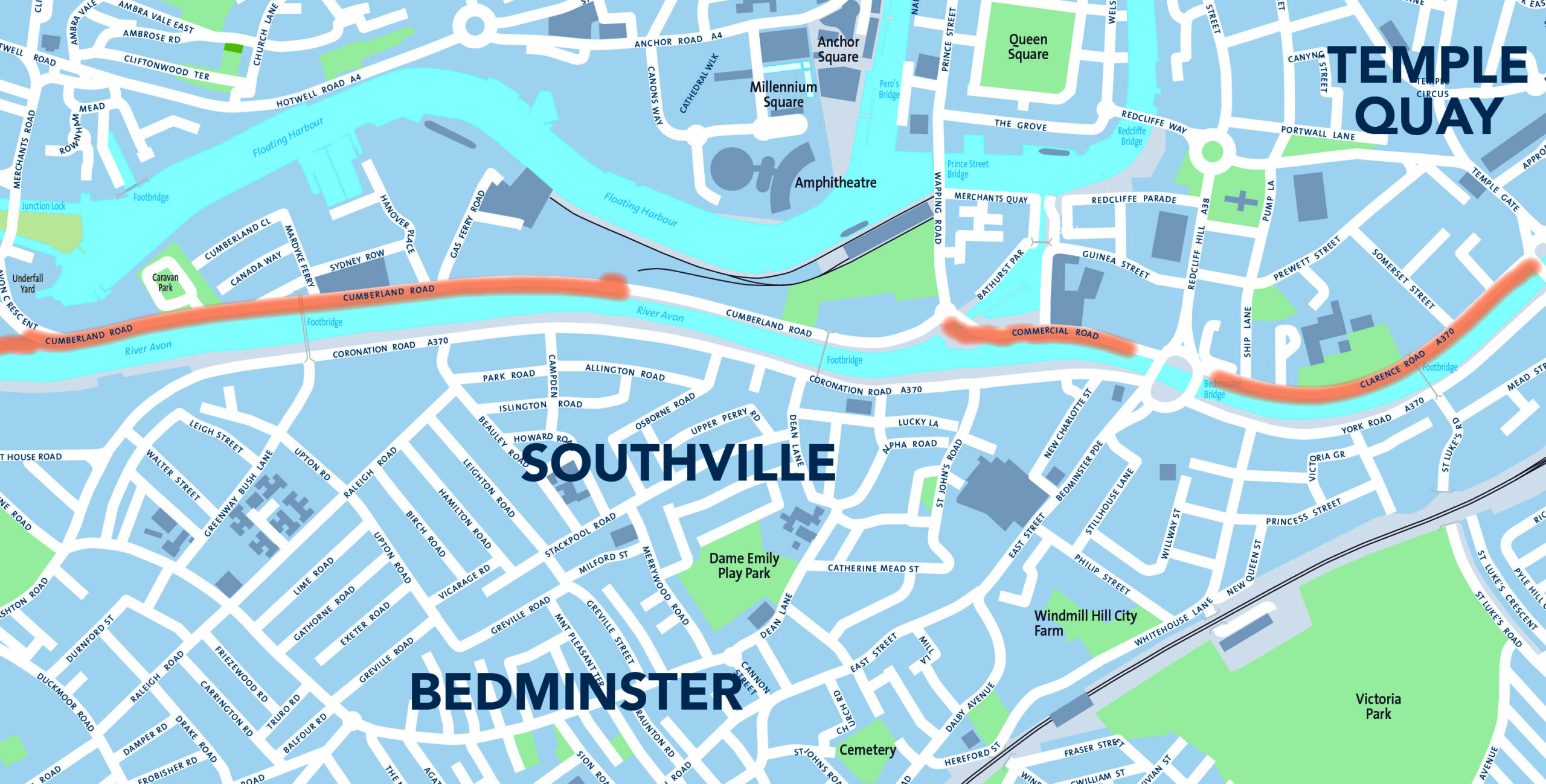
The proposals – presented in a ‘Strategic Outline Case’ – set out the council’s preferred route to better protect homes and properties. This approach would see new flood defences created or the level of existing defences raised along the lower lying sections of the River Avon. New defences would be designed to be in keeping with the local area, and developed in consultation with local communities as more detailed proposals for areas along the river come forward.
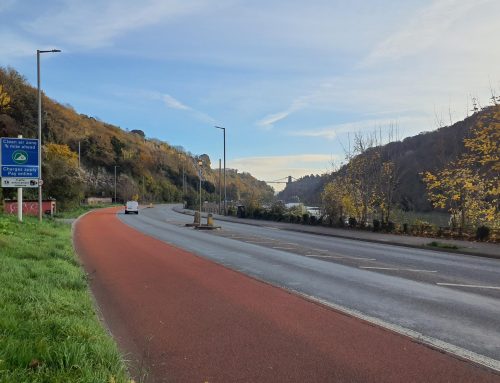
While improved flood defences are needed to reduce the impact of flooding across the city, the council’s plan is to create defences that improve life in the city year-round, not just when the River Avon floods. The necessary works create the opportunity to improve walking and cycling links along the River Avon and into the rest of the city, as well as maintaining and improving access to the river.
The council will also look for opportunities to enhance or preserve public spaces, wildlife areas and heritage sites, such as the Underfall Yard Scheduled Ancient Monument.
By reducing the risk of flooding in areas identified for significant regeneration, such as Temple Quarter, the proposals outlined by the council would enable development to come forward, providing much-needed jobs and homes in these areas.
The approach would be adaptive; meaning any construction of defences would be in phases. Defences would only be built as high as needed in the short term, but could be raised if the risk of flooding increases, future-proofing the city against rising sea levels and the effects of climate change. .
Councillor Nicola Beech, Bristol City Council Cabinet Member with responsibility for flooding, said: “Bristol and the River Avon are intrinsically linked, and the city has prospered because of its riverside location. Our vision, set out in this strategy, is to design measures that deliver year-round benefits to Bristol, not just when the River Avon floods. We need to better protect people’s homes and businesses, but we want to use this as an opportunity to improve public spaces, enhance access to the river and create better walking and cycling connections in the city, as well as protecting heritage sites around the river. By using this approach, we can reduce the risk of flooding to Bristol while creating a more active, sustainable and resilient city.”
Emma Baker, Wessex Area Director at the Environment Agency, said: “It is vital that there is a plan in place across the city to reduce flooding both now and into the future and that those who live and work in Bristol can have a say on proposals in this plan. Having worked closely with Bristol City Council, we support the proposals in the emerging strategy as a sensible and cost effective way of reducing the risk of flooding from the River Avon for both existing and new homes and businesses. We look forward to continuing to work with the council and others to further develop this approach.”
The council’s public consultation on its proposals will run from 26th October to 20th December. While everyone in the city who wishes to have a say will be able to, the council is prioritising those most likely to be affected by its proposals and by potential future flooding.
Starting this week (5th October), the council has written to around 1,200 homes and businesses near the River Avon to invite them to have an early conversation with the council to ask questions and voice any concerns they may have.
The consultation documents also set out the flood defence options considered by the council and Environment Agency but not deemed feasible following numerous technical studies. These include a tidal barrier or barrage, both of which would not reduce, and could even worsen, the flood risk from river flows from upstream, as well as being significantly more expensive than the proposed approach.
Consultation on the proposed approach is the first stage in a long-term plan. If the strategy is approved, it is anticipated works could start from 2025, following additional technical assessments, detailed design work, further public engagement and planning consents.