Bristol Charity Jessie May Highlights Hidden Post-Treatment Crisis for Childhood Cancer Families
Surviving childhood cancer is a medical triumph, but local families in Bristol are being left facing extreme burnout, isolation, and a total collapse in post-treatment support, regional hospice charity Jessie May has warned.
Marking Childhood Cancer Awareness Month, the Kingsdown-based hospice-at-home charity is exposing the rarely discussed reality facing parents once active cancer treatment concludes. National data reveals that up to 95 per cent of parents fear cancer recurrence, with many reporting feeling entirely abandoned by social and medical care networks after leaving the hospital ward.
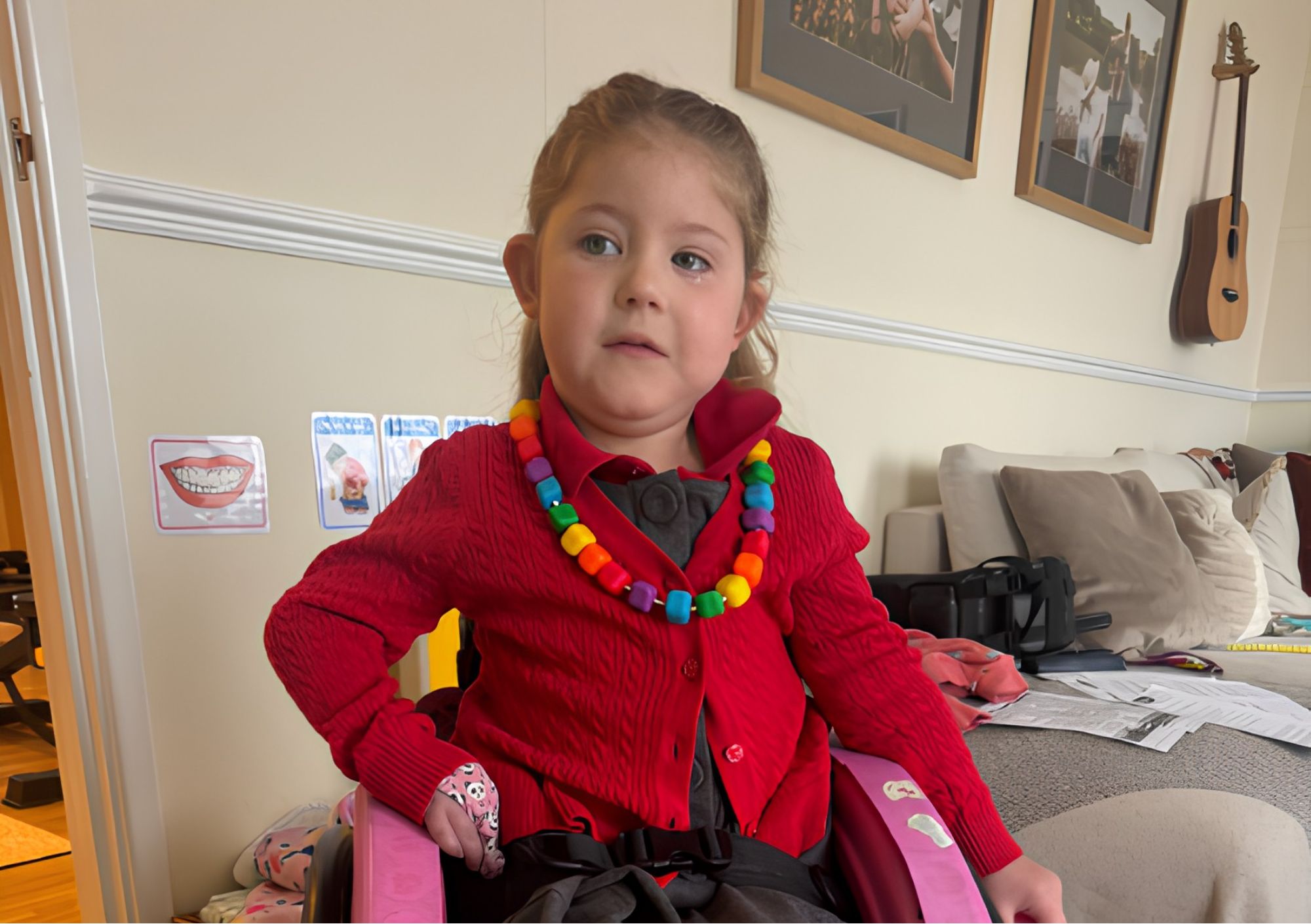
For four-year-old Effie from Bristol, surviving a rare spinal cord tumour left her family navigating lifelong, complex disabilities with virtually no community backup until the charity intervened.
Effie’s Story: The Relentless Aftermath of Survival
Diagnosed at just five months old with a tumour inside her spinal cord, Effie’s parents, Rachel and Leighton, were initially told to prepare for the worst. Following an extraordinary 10-hour operation to remove the growth, Effie endured 11 months of adult-strength chemotherapy.
While the treatment saved her life, the surgery and spinal trauma left Effie with incomplete quadriplegia. She cannot walk, lacks hand grip, requires 24/7 assistance, and lives with a severe chromosomal anomaly alongside regular MRI scans under general anaesthetic.
Despite these complex physical demands, the family initially struggled to access community support.
“People think the trauma ends when the cancer does—it doesn’t,” explained her mother, Rachel. “We live in heightened anxiety because we’re used to bad news. We were told she didn’t qualify for hospice-at-home support, even while we were begging for help.”
A neuro-oncology nurse eventually stepped in to connect the family with Jessie May, whose specialist nurses recognized Effie required 2:1 care—a workload Rachel had previously been attempting to manage entirely on her own alongside housework and part-time employment.
The Role of Hospice-at-Home Care
The intervention provided the family with vital respite and validated their ongoing emotional strain:
“It’s been a breath of fresh air—someone validating our struggles,” Rachel added. “Not just offering respite, but sitting with us in it, understanding Effie, understanding us, and taking a weight off our minds. For the first time in four and a half years, I’ve managed to get out and run. That sounds small, but physically and mentally, it’s massive.”
Jessie May oncology nurse Victoria Tarr emphasized that Effie’s experience reflects a systemic gap in regional healthcare provision across the South West:
“Children surviving cancer is a medical success story, but what happens next is often a social failure. Families are burned out, isolated, and navigating life-changing disabilities overnight. At Jessie May, our hospice-at-home care doesn’t just help children at the end of life—it helps families live.”
An Urgent Call for Post-Treatment Reform
Jessie May is calling on South West health commissioners, policymakers, and clinicians to implement structural changes for families leaving active cancer care, including:
-
Earlier Hospice Access: Streamlining referrals to hospice-at-home services before parental burnout reaches crisis point.
-
Recognition of Carer Burnout: Formally assessing the mental and physical health impact on parents managing complex post-treatment care.
-
Long-Term Structural Support: Expanding community care packages tailored to the lasting physical disabilities caused by intensive cancer therapies.
To learn more about local respite services or to access support, visit the official Jessie May Oncology Care Service Directory.
To check out the latest local news, community updates, and coverage across the city, visit Direct Local Bristol.